














 Email
Email SMS
SMS Whatsapp
 Web Push
 App Push
 Audience Sync for Ads
 Popups
 Channel A/B Testing
  Control groups Analysis
 Frequency Capping
 Funnel Analysis
 Cohort Analysis
 RFM Analysis
 Signup Forms
 Surveys
 NPS
NPS Landing pages personalization
  Website A/B Testing
  PWA/TWA
 Heatmaps
 Session Recording
 Wix
Wix Shopify
 Magento
 Woocommerce
 eCommerce D2C
  Mutual Funds
 Insurance
 Lending
  Recipes
  Knowledgebase
 Developer Docs
 Product Updates
 App Marketplace
 Academy
 Ebooks
 Case Studies
 Blog
Blog Templates
 Aparupa Saha
Did you know that most of our buying decisions aren’t made logically? In fact, studies show that around 90% of customer decisions are made subconsciously. This means people don’t always buy because of price or features — they buy because something deeper gets their attention.
That “something” is called a behavioural trigger. It’s a small nudge that influences people to act. Big brands use these triggers every day to keep customers coming back. But luckily, you don’t need to be a billion-dollar company to use these triggers. With the right approach, any business can turn visitors into loyal customers.
This guide reveals the most powerful behavioural triggers behind proven customer engagement strategies. By the end, you’ll have actionable steps to turn casual visitors into loyal, engaged customers.
What Are Behavioural Triggers in Customer Engagement?
Behavioural triggers are psychological cues that influence how customers respond to brands, products, and marketing messages. They help businesses encourage specific actions, such as making a purchase, signing up for a service, or returning to a website, by aligning with natural human behaviour and decision-making patterns.
Think about the last time you bought something because it was almost sold out, or clicked on a recommendation that felt surprisingly relevant. Chances are, a behavioural trigger influenced that decision.
These triggers work because people often rely on emotions, habits, and social signals when making choices. When used thoughtfully, they help businesses create experiences that feel more engaging, relevant, and valuable to customers.
10 Behavioural Triggers That Transform Customer Engagement Strategies
Behavioral Triggers at a Glance
| Behavioral Trigger | What It Leverages | Typical Customer Response | Example |
|---|---|---|---|
| FOMO | Urgency and fear of missing out | Faster decisions | Countdown timers |
| Scarcity & Exclusivity | Desire for rare experiences | Immediate action | Limited-edition launches |
| Social Proof | Trust in others’ experiences | Increased confidence | Reviews and ratings |
| Personalization | Relevance and familiarity | Higher engagement | Product recommendations |
| Reciprocity | Desire to give back | Repeat interactions | Free trials and gifts |
| Commitment & Consistency | Preference for staying consistent | Continued engagement | Quizzes and account sign-ups |
| Authority & Trust | Confidence in experts | Greater credibility | Certifications and endorsements |
| Gamification | Achievement and rewards | Repeat participation | Loyalty points and badges |
| Curiosity Gap | Desire to know more | Clicks and exploration | Teaser headlines |
| Surprise & Delight | Positive emotional experiences | Stronger loyalty | Unexpected bonuses |
Let us dive into detailed explanation of the above behavioural triggers.-
Fear of Missing Out (FOMO)
FOMO happens when people feel like they might miss out on something valuable. This urgency encourages them to act quickly. That’s why time-sensitive deals, limited stock, and countdown timers are so effective. Gerald Ming, SEO expert at Batik-America.com, says, “People don’t want to be left behind, so they make faster decisions to avoid regret.”
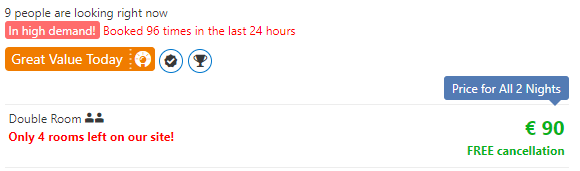
Brands like Booking.com use this approach. When Booking.com shows “Only 1 room left at this price,” it prompts customers to book immediately.
Source: UX Collective
The feeling that someone else might grab it first pushes people to act quickly.
“To apply FOMO in your business, you can add countdown timers on sales pages, show limited availability, or show how many people are currently viewing or buying a product.
This urgency encourages quicker decisions, whichreducese the chance of customers leaving without taking action,” adds Dan Close, Founder and CEO at We Buy Houses in Kentucky.
Scarcity and Exclusivity
Scarcity is about making something feel rare, while exclusivity is about making something feel special or limited to a select group. Both of these concepts increase the perceived value of a product or service. People are naturally drawn to things that seem rare or difficult to access.
Visual presentation also plays a significant role in how exclusivity and professionalism are perceived—especially in marketing materials and personal branding. One common question that arises is: Should you wear glasses for headshots? The answer depends on the image you want to project.
Glasses can convey intelligence, trustworthiness, or a specific personal style, which may align well with creating an exclusive or expert brand image.
However, if they cause glare or distraction in the photo, it could detract from the intended message. The key is to ensure your headshot aligns with the values of scarcity and exclusivity you’re trying to communicate through your brand.
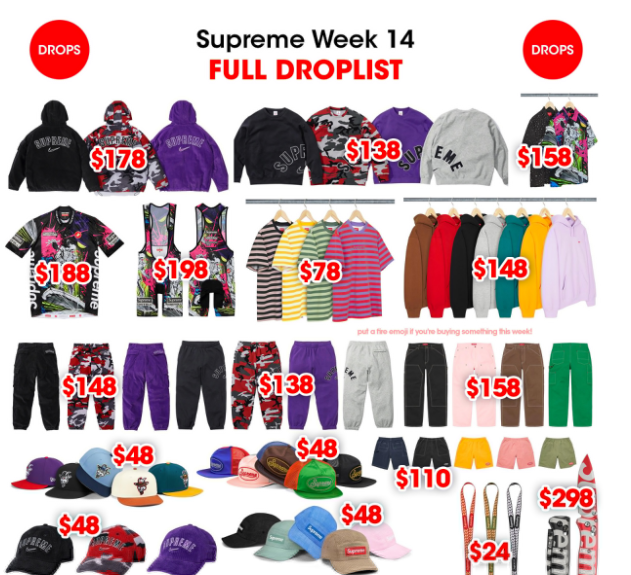
Supreme is a prime example of how scarcity and exclusivity drive customer engagement. The brand is known for releasing limited batches of products, often referred to as “drops,” that are only available for a short period,” adds Mike Khorev, Founder at Cloomtech
Source: garderobemannen.no
These releases generate massive hype, with customers lining up outside stores or refreshing web pages in hopes of grabbing an item before it sells out. The limited availability makes the products feel more valuable and desirable.
Businesses can use this approach by creating limited-edition products, launching exclusive offers for email subscribers, or giving early access to loyal customers.
Hamza G., Email Outreach Expert at Outreaching.io, mentions, “The goal is to create the feeling that ‘not everyone can have this,’ which makes people act quickly to avoid missing out.”
Social Proof
Social proof is the idea that people tend to follow what others are doing. If a product or service is popular, people are more likely to trust it.
This is why reviews, testimonials, and customer ratings are so effective. People feel more comfortable making a choice when they see that others have had a good experience.
Martin Seeley, Senior Sleep Expert of Sleep Company, explains, “Online stores, travel websites, and subscription platforms all use social proof.
Amazon displays reviews and ratings on every product page. Airbnb shows how many people have viewed or booked a listing recently. These indicators show customers that other people are engaging with the product or service — making it feel like a safer choice.”
You can apply this by adding customer reviews, testimonials, and star ratings to product pages. Showing real-time purchase updates, like “10 people bought this today,” can also create trust and confidence. When people see others engaging with a product, they’re also more likely to follow along.
Personalization
Personalisation happens when brands customise their messages, offers, or recommendations to fit a customer’s specific needs or preferences. It’s the difference between getting a generic ad and receiving an email that addresses you by name and recommends products you’ve looked at before.
Steve Morris, Founder & CEO of NEWMEDIA.COM, adds, “Personalised experiences make people feel valued, which builds trust and loyalty.”
Netflix and Spotify rely on personalisation to keep users engaged. Netflix recommends shows and movies based on past viewing habits, while Spotify creates custom playlists like “Discover Weekly” based on listening history. This experience feels more relevant, which makes it harder for customers to leave.
To use personalisation in your business, you can recommend products based on browsing history, send personalised email offers, or create loyalty programs that offer rewards on special dates like birthdays.
Richard McKay, CEO & Managing Director of Sprung Gym Flooring, shares, “Personalisation shows customers that you understand them, and people are more likely to stay loyal to a brand that gets them.”
Reciprocity
Reciprocity is the idea that when someone receives something, they feel the need to give something back. In a business context, this means offering free trials, free samples, or helpful content.
When customers feel like they’re being given something valuable, they’re more likely to return the favour by making a purchase or staying loyal, shares Pareen Sehat, MC, RCC – Clinical Director at Well Beings Counselling.
Many subscription services use this approach. For example, Spotify and Netflix offer free trials to get users in the door. Once people experience the value, they’re more willing to subscribe.
Retail stores also use reciprocity by giving away free samples, knowing that people are more likely to buy after receiving something for free.
To apply this trigger, offer free guides, how-to resources, or free trials. E-commerce stores can offer surprise gifts with purchases or send small rewards to loyal customers. David Loo, Owner of Xpro Auto Glass, says, “When people feel like they’ve been given something of value, they’re more likely to stay engaged or make a purchase.”
Commitment and Consistency
People like to stay consistent with their past actions. Once someone commits to something, even in a small way, they’re more likely to follow through with bigger actions. That’s why small commitments — like answering a quick question or clicking a simple button — often lead to larger actions later.
For example, think about online quizzes that ask a few simple questions before recommending a product. By the time someone finishes the quiz, they feel more connected to the process and are more likely to buy the recommended product.
Small steps like signing up for a free trial also work this way. Andrew Pickett, Lead Attorney & Owner of Andrew Pickett Law, adds, “People feel committed once they’ve started using the service, which makes them more likely to convert into paying customers.”
Businesses can use this approach by encouraging small commitments first. This can be filling out a short quiz, signing up for a free guide, or creating an account. Once customers take these small steps, they’re more likely to stay on track with the larger action, like making a purchase or signing up for a subscription.
Authority and Trust
People naturally trust experts, leaders, and well-known figures. In an interview, Tim Jones, Founder of Zendash, explains, “When an authority figure recommends a product, people are more likely to listen.
That’s why brands use celebrity endorsements, expert reviews, and certifications to build trust.” Authority makes customers feel more secure about their choices, which leads to higher engagement.
For example, skincare brands often highlight endorsements from dermatologists. When you see “Dermatologist Recommended” on a product label, it feels more credible.
In a similar way, many websites display “As Seen On” logos from well-known media outlets. This signals to customers that the brand has been recognised by trusted sources.
To use this trigger in your business, you can show endorsements, certifications, and customer success stories. If your brand has been mentioned in the media, showcase it on your website.
If industry experts use or recommend your product, highlight their reviews. These elements increase trust and make it easier for customers to feel confident about their decision to engage.
Gamification
Gamification makes everyday experiences more interactive and rewarding. It involves turning routine activities into challenges, points, or rewards that feel like a game.
People love the progress, completion, and achievement that comes from “winning.” By adding fun elements like levels, points, and badges, businesses can keep customers engaged for longer, says Dalia R. Rojas, Owner of Sixty61.com.
Businesses can apply this trigger by using point-based rewards, progress bars, or challenges. For example, a fitness app can show users how close they are to completing a goal.
An e-commerce store can reward customers with points for each purchase, which they can redeem later. Gamification makes simple actions feel like wins, encouraging customers to stay engaged and come back for more.
The Curiosity Gap
Curiosity is a natural human instinct. Per Markus Åkerlund, CEO of MEONUTRITION, shares, “When people encounter something mysterious, incomplete, or intriguing, they feel compelled to find out more.
This need to know drives clicks, views, and interactions.” The curiosity gap is the space between what people know and what they want to know — and businesses that use it well keep customers engaged.
You see this trigger in action every day on social media and news headlines. Headlines like “You Won’t Believe What Happened Next” or “This Simple Trick Changed Everything” are designed to leave readers wanting more. Clickbait articles rely on this trigger, but it can be used more genuinely, too.
To use the curiosity gap in your business, create content that leaves a small piece of information missing. This can be in the form of email subject lines, blog post headlines, or social media captions.
Phrases like “Here’s What Most People Don’t Know About…” or “The Secret to X Might Surprise You” create mystery that encourages people to click, read, or explore further.
Surprise and Delight
Everyone loves surprises. Sumeer Kaur, Founder of Lehenga Choli, shares, “When people receive something they didn’t expect — like a gift, upgrade, or bonus — it creates a positive emotional reaction. The experience feels memorable and enjoyable, which builds strong emotional connections with the brand. This is called the surprise and delight trigger.”
Think about the last time you ordered food delivery and received an unexpected free dessert. Or when a brand sent you a thank-you gift for being a loyal customer. These small moments leave a deep mark and create goodwill.
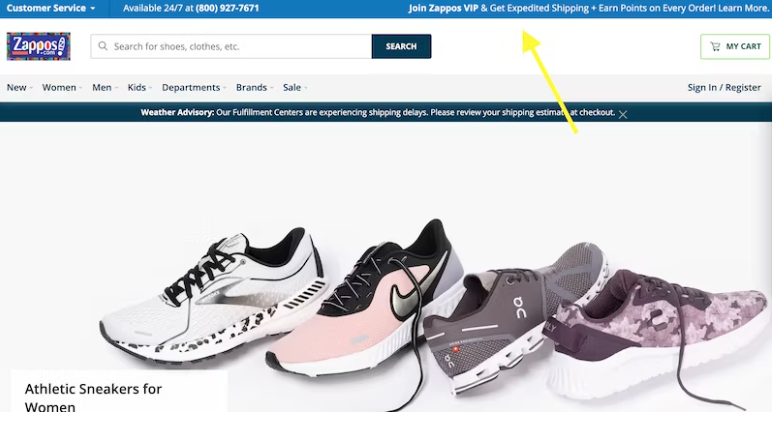
Zappos are known for this. Their customer service team sometimes upgrades shipping to next-day delivery for free.
Source: Econsultancy
This surprises customers and makes them feel valued.
To apply this trigger, businesses can surprise customers with small gifts, bonuses, or upgrades. For example, an e-commerce store can add a small gift to orders over a certain amount.
A subscription box company includes an extra product at no extra cost. These small surprises make customers feel appreciated and increase the chances of them sharing their experience with others.
3 Best Tools to Automate Behavioural Triggers
Here are the tools that can help you automate behavioural triggers for your business.
Klaviyo
Source: Klaviyo
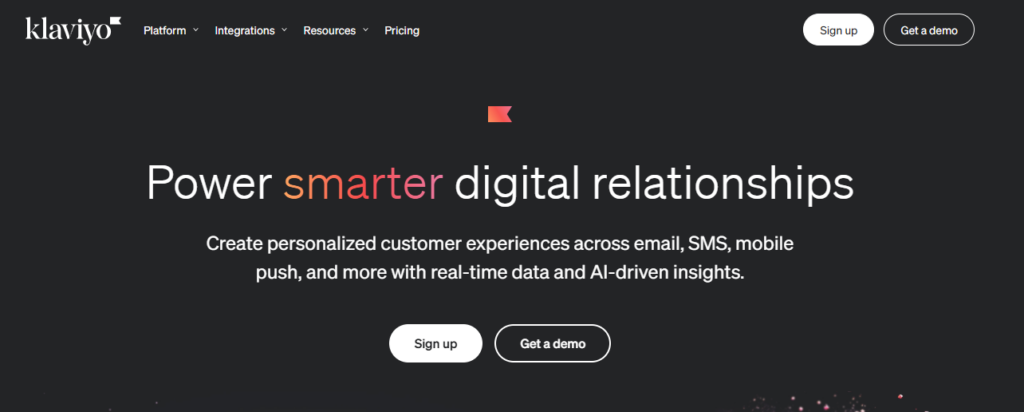
Klaviyo is a marketing automation tool that focuses on email and SMS communication. It tracks customer behaviour, such as product views, abandoned carts, and website visits, and automatically sends personalised follow-up messages.
This tool allows businesses to set up custom workflows, ensuring that customers receive messages that match their specific actions. From welcome emails to re-engagement campaigns, Klaviyo helps brands stay connected to customers at every stage of the buying journey.
HubSpot
Source: HubSpot
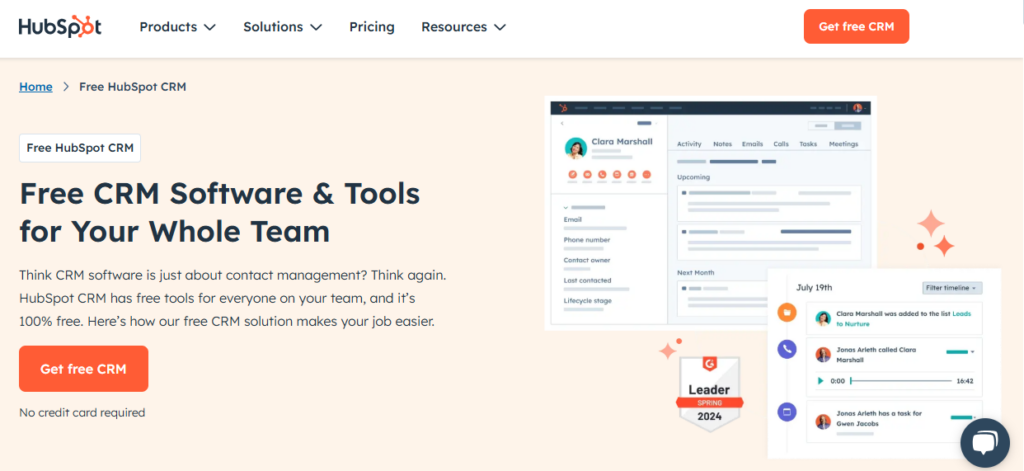
HubSpot is an all-in-one customer relationship management (CRM) platform that enables businesses to track and respond to customer behaviour. It captures data on customer interactions across emails, live chats, landing pages, and forms.
HubSpot’s automation feature allows businesses to create workflows that trigger specific actions, such as follow-up emails or lead nurturing sequences, based on customer activity.
ActiveCampaign
Source: ActiveCampaign
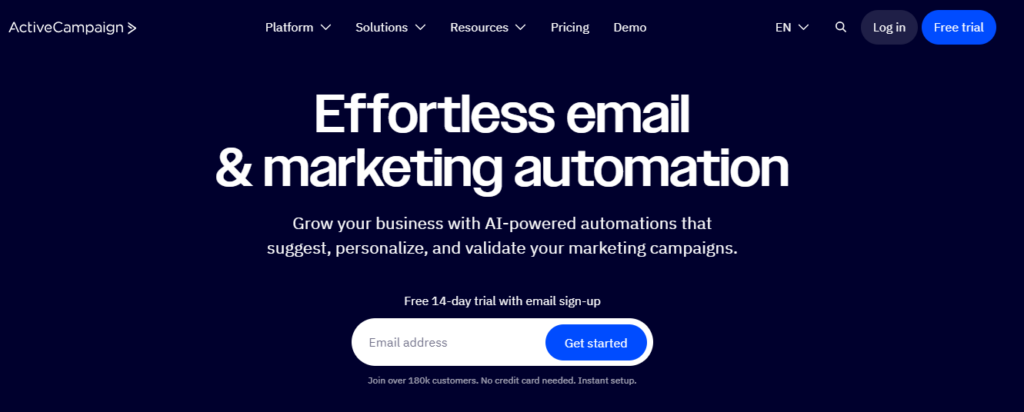
ActiveCampaign is a platform that combines email marketing, customer relationship management (CRM), and marketing automation. It allows businesses to track customer behaviour on websites and through email interactions.
When a customer performs a specific action — like clicking on a link, visiting a pricing page, or signing up for a newsletter — ActiveCampaign can automatically trigger follow-up messages, personalised offers, or reminders.
How NVECTA Helps Businesses Turn Behavioural Insights Into Customer Engagement
NVECTA is an AI-powered Customer Data Platform (CDP) that helps businesses understand customer behaviour and act on it in real time. By bringing customer data, engagement channels, and automation together, it enables brands to create more personalised experiences, strengthen customer relationships, and improve engagement across the entire customer journey.
Understanding customer behaviour is one thing. Using those insights to create meaningful customer experiences is where real engagement happens. NVECTA helps businesses identify what motivates customers, respond at the right moment, and deliver interactions that feel relevant rather than random.
Creating More Personalised Customer Experiences
Customers are more likely to engage when content feels relevant to their needs and interests. NVECTA helps businesses use customer data to deliver personalised recommendations, offers, and messages that make interactions feel more meaningful.
Identifying Customer Intent Through Behavioural Data
Every click, visit, and interaction reveals something about customer intent. NVECTA helps businesses understand these behavioural signals, making it easier to recognise when customers are ready to explore, engage, or make a purchase.
Engaging Customers Across Multiple Channels
Today’s customers move between websites, mobile apps, email, SMS, and messaging platforms. NVECTA helps businesses create consistent omnichannel engagement experiences so customers receive relevant communication wherever they interact.
Responding to Customer Actions in Real Time
Timing often determines whether an engagement strategy succeeds or fails. NVECTA enables businesses to respond to customer actions as they happen, helping brands deliver timely messages that encourage customers to take the next step.
Building Stronger Customer Loyalty and Retention
Long-term engagement depends on consistently delivering value. By understanding customer preferences and behaviours, NVECTA helps businesses create experiences that encourage repeat interactions, stronger relationships, and lasting customer loyalty.
Automating Engagement Using Behavioural Triggers
Many customer interactions can be triggered automatically based on behaviour. Whether it’s a welcome message, product recommendation, or re-engagement campaign, NVECTA helps businesses deliver the right communication at the right moment.
Wrap Up
Behavioural triggers help businesses naturally connect with customers. Businesses can improve experiences and make them feel more personal by knowing what motivates consumers to behave. Social proof, FOMO, and customisation are a few triggers that motivate people to stay involved and make decisions more quickly.
Rather than attempting to coerce consumers into taking action, these triggers naturally direct them. They convert one-time visitors into recurring clients by building trust and loyalty when applied properly.
Frequently Asked Questions
What are behavioural triggers in customer engagement?
Behavioural triggers are psychological cues that influence how customers interact with a brand. They encourage specific actions, such as making a purchase, signing up for a service, or returning to a website. Common examples include personalisation, social proof, scarcity, and rewards.
Why are behavioural triggers important for customer engagement?
Behavioural triggers help businesses create more relevant and meaningful customer experiences. By understanding what motivates customers to act, brands can improve engagement, strengthen relationships, increase customer loyalty, and encourage repeat interactions across multiple channels.
Which behavioural trigger is most effective for increasing engagement?
There is no single trigger that works best in every situation. Personalisation is often considered one of the most effective because it makes customers feel understood. However, social proof, scarcity, reciprocity, and gamification can also deliver strong results depending on the audience and business goals.
How does personalisation improve customer engagement?
Personalisation helps businesses deliver content, recommendations, and offers based on customer preferences and behaviour. When customers receive relevant experiences instead of generic messages, they are more likely to engage, stay loyal, and take action.
How can businesses identify customer behaviour patterns?
Businesses can identify customer behaviour patterns by analysing website activity, purchase history, campaign interactions, and engagement data. Tools such as Customer Data Platforms (CDPs), CRM systems, and behavioural analytics platforms help uncover valuable insights that support engagement strategies.
What role does data play in behavioural marketing?
Data helps businesses understand customer preferences, interests, and intent. These insights allow brands to create targeted campaigns, personalise customer experiences, and activate behavioural triggers at the right time, leading to higher engagement and better customer outcomes.
How can businesses automate behavioural triggers?
Businesses can automate behavioural triggers using marketing automation platforms and Customer Data Platforms. Automated workflows can send personalised messages, product recommendations, reminders, and follow-ups based on customer actions, making engagement more timely and relevant.
How does NVECTA help businesses improve customer engagement?
NVECTA is an AI-powered Customer Data Platform that helps businesses unify customer data, understand behavioural patterns, and activate personalised engagement across channels. By combining behavioural insights, automation, and omnichannel communication, NVECTA enables brands to create more relevant customer experiences and stronger customer relationships.
