














 Email
Email SMS
SMS Whatsapp
 Web Push
 App Push
 Audience Sync for Ads
 Popups
 Channel A/B Testing
  Control groups Analysis
 Frequency Capping
 Funnel Analysis
 Cohort Analysis
 RFM Analysis
 Signup Forms
 Surveys
 NPS
NPS Landing pages personalization
  Website A/B Testing
  PWA/TWA
 Heatmaps
 Session Recording
 Wix
Wix Shopify
 Magento
 Woocommerce
 eCommerce D2C
  Mutual Funds
 Insurance
 Lending
  Recipes
  Knowledgebase
 Developer Docs
 Product Updates
 App Marketplace
 Academy
 Ebooks
 Case Studies
 Blog
Blog Templates
 Sara
SaraQuick answer: Cross-channel marketing is the practice of coordinating a brand’s message across multiple channels (email, SMS, push, social, web, in-store) so each touchpoint reinforces the others. Real examples include Sephora Beauty Insider, Starbucks Rewards, Disney MagicBand, Target Circle, and Nike App. According to McKinsey, cross-channel customers spend 10% more online and 4% more in-store than single-channel shoppers, and Aberdeen Group found brands with strong cross-channel strategies retain 89% of customers compared to 33% for weak ones.
Extensive use of the internet has given today’s consumers multiple platforms to find info about and interact with brands. The customer journey rarely lives on one channel anymore, which means single-channel marketing simply doesn’t reach where modern customers actually spend their time.
It’s no longer enough for businesses and their marketers to approach audiences through one channel alone. Teams need a connected view of their audience across every touchpoint, with messaging that adapts based on what each customer has already seen and done.
This is where cross-channel marketing comes in.
This blog covers what cross-channel marketing actually means in 2026, why it matters, how to build an effective cross-channel marketing strategy, the challenges teams hit, real brand examples, and how AI is reshaping the playbook this year.
You’ll walk away with a clear, practical understanding of cross-channel marketing. Let’s get into it.
What is Cross-Channel Marketing?
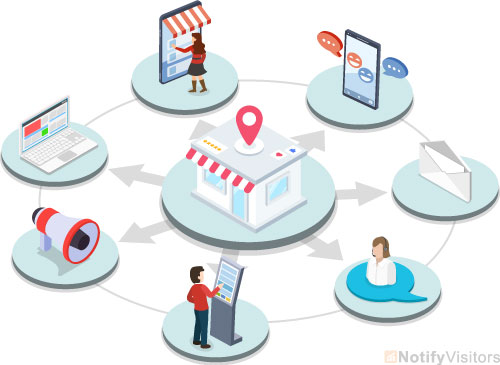
Cross-channel marketing is a technique that provides customers with a consistent, personalized experience across multiple marketing channels. Unlike multichannel marketing (where channels operate as silos), cross-channel marketing connects channels so each one knows what happened on the others.
It’s a digital, strategic, customer-focused approach that creates a cohesive customer journey for your target audience. The goal isn’t just being present on more channels. It’s making sure each channel actually reinforces what happened on the previous one.
Cross-channel marketing lets businesses interact with consumers across different touchpoints in a way that feels intentional rather than random. Done right, your digital marketing efforts become measurably more profitable per dollar spent.
That said, implementing a cross-channel marketing strategy is harder than it looks. You have to take into account multiple channels, varying data sources, and timing dependencies while designing your campaigns, which is why most teams need a proper foundation in place before scaling.
Cross-Channel vs Multichannel vs Omnichannel
These three terms get used interchangeably, but they describe meaningfully different approaches. Here’s the simple distinction:
| Approach | Focus | Customer Experience | Example |
|---|---|---|---|
| Multichannel | Be present on many channels | Each channel works independently | Email + Social + Web all run as separate campaigns |
| Cross-channel | Coordinate across channels | Channels share data and trigger each other | Abandoned cart email triggers SMS if not opened in 2 hours |
| Omnichannel | Single unified experience | Customer experience is identical everywhere | Buy online, return in-store, get a refund on the app, all without friction |
The short version: multichannel is the starting point, cross-channel adds coordination, and omnichannel turns the whole thing into one seamless experience. Most brands today are somewhere between cross-channel and omnichannel, and the best ones use a Customer Data Platform as the foundation to make either one actually work.
Why is Cross-Channel Marketing Important?
The numbers tell a clear story. McKinsey research shows cross-channel customers spend 10% more online and 4% more in-store than single-channel shoppers. Aberdeen Group found brands with strong cross-channel strategies retain 89% of customers compared to 33% for weak ones. Salesforce data shows 76% of consumers now expect consistent interactions across departments and channels. And HubSpot reports that 95% of marketers consider cross-channel marketing essential for retention in 2026.
Consumers today look for highly personalized experiences. Most of them research online to plan shopping, finalize options, and make purchasing decisions across multiple devices and channels before they convert.
As brands cater to this need, they should offer an integrated experience across consumer touchpoints during the customer journey. For example, integrating a free barcode reader into your mobile app strategy can lift the shopping experience by letting customers quickly access product information and exclusive deals.
This matters because most consumers use more than one touchpoint before completing a buying decision. A typical buyer might discover your product through a social media post, visit your site to learn more, chat with a customer service agent who closes the gap with a relevant offer, and finally complete the purchase on a different device hours or days later.
This is where cross-channel marketing actually earns its keep. A cross-channel marketing strategy can build brand awareness, bring in leads, and drive sales by connecting each touchpoint to the next. At any given moment, your users are likely engaging with different marketing channels in parallel.
That’s why your messaging needs to feel close-knit, with every touchpoint reinforcing the others. No wonder cross-channel marketing keeps climbing the list of top digital marketing trends.
Now that the importance is clear, let’s get into how to actually build an effective cross-channel marketing strategy.
How to Build an Effective Cross-Channel Marketing Strategy
When you design your brand’s cross-channel marketing strategy, four practical principles matter most. Get these right and the rest falls into place.
1. Incorporate Consistency
Most consumers expect brands to stay consistent across different touchpoints. A study by the Interactive Advertising Bureau (IAB) revealed that purchase intent rises by 90% and brand perception by 68% when users see consistent messaging across various touchpoints.
Make sure you offer a consistent experience across channels. Keep your communication tone, content strategy, visual identity, and brand principles aligned so customers recognize you immediately regardless of where they encounter you. The brands that get this right turn casual readers into committed buyers over time.
2. Optimize the Marketing Funnel
Another key element while designing your cross-channel marketing strategy is optimizing the marketing funnel with context-specific messaging. Generic blasts across every channel waste attention. Targeted messaging tied to where each customer sits in the funnel converts.
With today’s advancements making real-time marketing mainstream, you can create a connected user experience for prospects and customers as they move through different channels. Cross-channel campaign personalization means each interaction adjusts based on the customer’s full history, not just what happened on that one channel.
You can also retarget prospects and customers across channels effectively. When you set up retargeting campaigns to recover website drop-offs, include email and social media in the mix instead of running them as isolated experiments. This multi-channel approach lets you optimize the campaign and lift your marketing ROI in ways single-channel retargeting just can’t match.
3. Increase Engagement
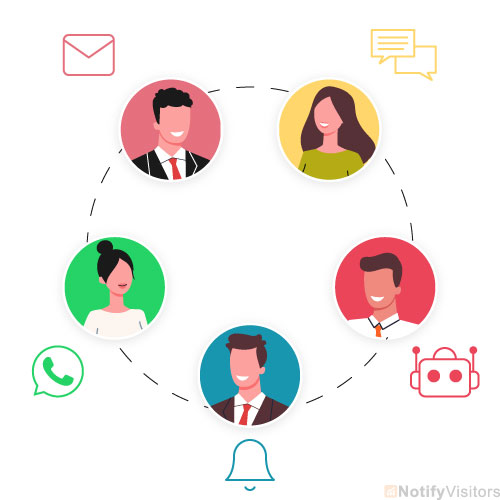
Customers who use multiple channels are dramatically more valuable to your brand. A study shows that 62% of participants who engage with brands across 10 or more channels buy at least once a week. That’s not a small lift. It’s the difference between casual interest and committed loyalty.
Engaging interactions create emotional connections that turn your target audience into loyal customers over time. Customers interact with brands on different platforms throughout the day, often without realizing they’re doing it.
Show up on the platforms where your audience already is, and engagement compounds naturally. Post shareable content, use relevant hashtags, encourage UGC, and create real conversation rather than broadcast messages. Working with local influencers, UK or Australia UGC creators can strengthen this approach by adding authentic voices to the conversation. The brands that treat social as a relationship channel rather than a distribution channel see meaningfully higher engagement.
4. Evaluate the Outcomes
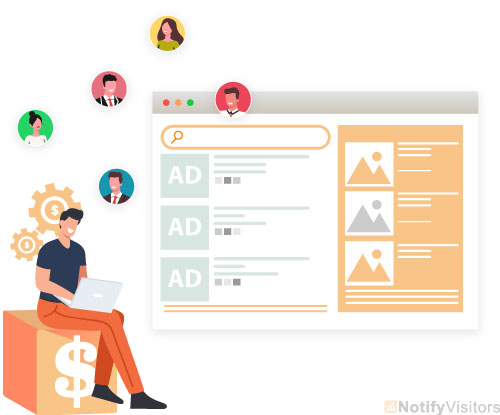
An effective way to measure the impact of cross-channel marketing campaigns is testing with control groups. A control group is a group of users who aren’t served ads from your cross-channel campaigns, which gives you a clean baseline for comparison.
Use different control groups that aren’t targeted by any of these ads to measure the real performance of your marketing campaigns. By looking at the metrics, you can determine which campaign is actually driving results, which needs more optimization, and which should be completely killed.
After you’ve tested and evaluated your campaigns, you can roll out the winning version to the control group too. This way, you avoid sending an underperforming campaign to your entire audience at once and learning the hard way after the fact.
Challenges of Cross-Channel Marketing
Cross-channel marketing can be hard to pull off cleanly. It connects multiple marketing channels and turns a simple customer journey into a refined and complicated one. Four common challenges show up repeatedly across teams:
1. Reaching Consumers at the Right Time
Since cross-channel marketing connects multiple channels, it can be hard for marketers to pick the right path to reach consumers at the exact right moment. With so many options available, guessing the best platform and timing for each audience segment becomes a real headache.
This is especially true because these platforms keep changing, both in their marketing capabilities and in how users actually engage with them. What worked on Instagram two years ago doesn’t work today, and the same is true for email, push, and SMS. Solid customer journey orchestration tools help solve this by letting the system pick the best channel based on real-time behavior rather than fixed rules.
2. Gaining High-Quality Data for Better Insights
Another challenge for many businesses is data quality. Companies collect more data than ever, but most of it sits in disconnected silos and never gets used. Understanding what data is actually contextual for the right decisions matters more than the total volume collected. Mapping customer behaviour across channels requires clean, unified data, not more raw inputs.
The higher the quality of your data, the more precise your insights will be. Without high-quality data, it’s nearly impossible for businesses to come up with actionable insights that drive real campaign decisions. This is why Omnichannel Personalisation usually starts with a data audit before any campaign tools get evaluated.
3. Choosing the Right Advertising Platforms
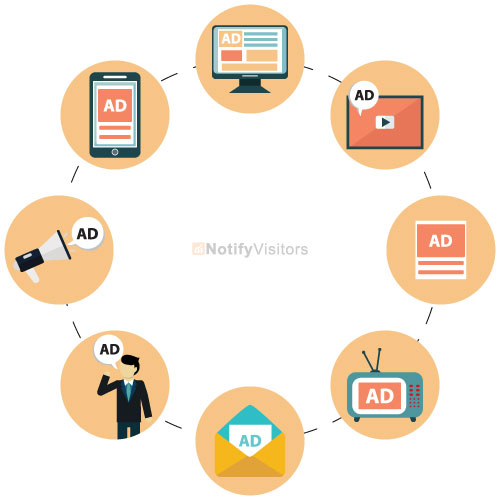
Another challenge for cross-channel marketing is picking the right advertising platforms. It’s tough to know where your consumers actually spend most of their time and when they’re most receptive, which means most teams end up over-investing in platforms that don’t match their audience.
This requires understanding the audience at a granular level. Campaigns have to work in sync across the channels your customers actually engage with, not just the ones your marketing team finds easy to manage. Evaluate, test, and only then commit budget to a channel mix that matches real customer behavior.
4. Choosing Accurate Marketing Attribution
Many brands fall behind on marketing attribution. Marketers still focus on metrics like click-through rates while ignoring other important signals that often matter more.
For instance, say 2% of viewers click through a link. The remaining 98% who viewed it but didn’t click might still go uncounted, even though that exposure could have led to a conversion later. View-through and assist-through attribution often tells a more honest story about what’s actually working.
Marketers should employ a more complete approach to attribution by combining raw event data with person-level insights. A proper Journey Orchestration setup paired with multi-touch attribution gives you a much clearer picture of which channels are genuinely contributing versus which ones just get credit for the last click.
10 Examples of Brands Using Cross-Channel Marketing
Executed right, cross-channel marketing helps brands understand customers better and optimize future campaigns. Here are 10 brands that have built strong cross-channel programs worth studying.
1. Mercedes-Benz
Mercedes-Benz adopted a cross-channel marketing strategy that combined digital and offline techniques to launch its CLA model. The campaign brought together a model microsite, TV ads, social media promotion, and video content that reinforced the same story across every touchpoint.
Later, the brand stated it was their best product launch in 20 years. One million online viewers watched their CLA content and the cross-channel coordination drove the kind of integrated awareness no single channel could have delivered alone.
2. Starbucks
Starbucks delivers a connected experience that combines website updates, personalised recommendations, push notifications, AI-driven offers, in-app messaging, and even phone calls for higher-tier customers.
The brand maintains consistency across every marketing channel, with the Starbucks Rewards program tying the entire experience together. This cross-promotion has driven millions of app downloads and turned the mobile order pattern into a daily habit for the brand’s most active customers.
3. Heineken
Heineken’s cross-channel marketing treats consistency as the prime success factor. The brand promoted its web series “Dropped” across multiple channels including its website, Facebook, Twitter, Instagram, and YouTube, with each channel reinforcing the same narrative arc.
Though it was primarily a visual engagement campaign, viewers started associating the brand with the message, which is exactly what cross-channel coordination is supposed to deliver.
4. Under Armour
This fitness brand blends social media presence, in-store content, influencer marketing, and interactive engagement through its Connected Fitness community and shopping app.
Under Armour delivers personalized experiences based on user data and lets customers scan barcodes across stores to learn more about specific products. The result has been a lift in traffic and engagement across their website, social platforms, apps, and physical stores all at once.
5. Sephora
Sephora’s Beauty Insider program is the gold standard for cross-channel retail engagement. The loyalty program syncs across the website, mobile app, and physical stores, letting customers collect points, view recommendations, and redeem rewards wherever they shop.
A customer can browse online, test products in-store, and complete the purchase later on the app without losing context. Recommendations and offers tie directly to past purchases, browsing behavior, and loyalty tier, so the experience feels personal rather than generic. This works because unified customer data sits underneath everything, making the omnichannel handoffs invisible to the customer.
6. Disney
Disney’s MagicBand program connects the customer experience across hotel bookings, park entry, ride reservations, dining, and merchandise purchases. One wristband links every touchpoint into a single profile, which is what makes the experience feel magical rather than transactional.
Disney also extends this cross-channel orchestration to its mobile app, email, push notifications, and in-park signage. Every interaction reinforces the next, and the brand’s investment in unified customer data is the reason it all works as one experience instead of separate systems.
7. Target
Target’s cross-channel program centers on the Target Circle loyalty system, which connects in-store visits, drive-up pickups, app purchases, and Target.com browsing. Members get personalized offers across every channel, and the inventory system shows real-time stock at the nearest store directly in the app.
The program lifted both in-store and digital sales because customers can move between channels without losing their cart, their saved items, or their offer history. Cross-channel done well makes the channel itself invisible to the customer.
8. Nike
Nike runs one of the most integrated cross-channel programs in retail through its Nike App, SNKRS app, and retail stores. Member-only product drops happen across all three channels simultaneously, with the most loyal customers getting early access through behavioral targeting.
The strength here is the data layer underneath. Nike knows which products a member browses on the app, which they’ve purchased before, and which stores they visit. That gives the brand the ability to tailor every channel interaction to the individual customer rather than the broad segment.
9. REI
REI’s co-op membership model creates a natural cross-channel anchor. The annual member dividend ties together in-store purchases, online orders, gear rentals, and outdoor classes into a single customer record that members track over time.
The brand connects email campaigns, store events, community programs, and digital content around shared themes and seasonal moments. The result is a community-driven cross-channel experience that competitors find difficult to replicate because it’s built on trust and shared values rather than just transactional incentives.
10. Bank of America
Bank of America’s cross-channel program coordinates the mobile app, online banking, branch visits, ATMs, and the Erica chatbot into a single customer experience. A customer can start a transaction on the app, complete it at a branch, and get follow-up via email or in-app notification without anyone repeating context.
This kind of consistency at scale only works when the underlying customer profile is unified across every touchpoint. The bank’s cross-channel approach also drives proactive notifications (suspicious activity alerts, savings goal nudges, milestone messages) across the right channel based on customer preference.
AI and the Future of Cross-Channel Marketing (2026)
The biggest shift in cross-channel marketing heading into 2026 is the move from rule-based orchestration to AI-driven orchestration. The difference matters more than it sounds.
The old pattern: marketing operations writes rules. If a customer abandons cart, send email at hour 1, SMS at hour 4, push at hour 24. Same flow for every customer regardless of how they actually behave.
The new pattern: AI agents decide channel, time, and content per customer based on real-time behavior. Some customers respond to email immediately. Others ignore email but engage with push. AI agents learn this per individual and adapt automatically. The campaign that took marketing operations weeks to design now runs continuously and improves itself with every customer interaction.
The catch: AI orchestration only works on unified customer data. Without a clean foundation, AI just makes bad decisions faster. The brands solving the data unification problem first will have a structural advantage in 2026 that’s hard to catch up to later.
Cross-Channel Marketing KPIs to Track
The strategies above only work if you measure whether they’re moving the needle. Six metrics matter most for cross-channel programs:
- Cross-channel conversion rate. The percentage of customers exposed to multiple channels who eventually convert. Compare this to single-channel conversion to prove ROI.
- Customer Lifetime Value (CLV). CLV trending up over time is the strongest signal that cross-channel orchestration is working.
- Multi-touch attribution. Which channels actually contributed to each conversion, not just the last-touch channel.
- Engagement rate per channel. Opens, clicks, in-app sessions, push opens broken down per channel.
- Blended Customer Acquisition Cost (CAC). True cost per acquisition accounting for all channels, not siloed channel costs.
- Retention rate. Cross-channel customers retain better than single-channel ones (Aberdeen 89% vs 33%). Track to validate the lift.
Common Cross-Channel Marketing Mistakes
Five mistakes show up repeatedly in cross-channel programs that underperform. Worth flagging because the failure modes are predictable.
- Treating channels as silos. Email lives in one tool, SMS in another, push in a third, ad audiences in a fourth. None of them talk to each other. Result: every channel sends the wrong message at the wrong time.
- Inconsistent brand voice. Email sounds formal, SMS sounds casual, push sounds salesy. Customers notice. Pick one voice and apply it everywhere.
- No identity resolution. Without solid identity stitching, the email goes to one profile, the push goes to another, and the same customer gets the same message three times across channels.
- Over-messaging across channels. Adding more channels without coordination means hitting the customer five times in one day. The Aberdeen data on 89% retention assumes coordinated, not overlapping, channel use.
- Picking too many channels at once. Better to nail email + SMS + push first than to launch email + SMS + push + WhatsApp + in-app + direct mail simultaneously and execute none of them well.
Frequently Asked Questions
What is cross-channel marketing?
Cross-channel marketing is the practice of coordinating a brand’s message across multiple channels (email, SMS, push, social, web, in-store) so each touchpoint reinforces the others. Unlike multichannel marketing where each channel operates independently, cross-channel marketing connects channels through shared data so they can trigger and complement each other based on real-time customer behavior.
What is the difference between cross-channel and omnichannel marketing?
Cross-channel marketing coordinates multiple channels with shared data so they trigger and complement each other. Omnichannel marketing goes further by creating a single, seamless customer experience across every channel, where buying online, returning in-store, and getting a refund on the app all happen without friction. Cross-channel is about coordination. Omnichannel is about unification.
What are cross-channel marketing examples?
Real cross-channel marketing examples include Sephora Beauty Insider (loyalty program synced across web, app, and stores), Starbucks Rewards (mobile order + in-store + push notifications), Disney MagicBand (one wristband linking hotel, park, and dining), Target Circle (rewards across drive-up, in-store, and app), Nike App + SNKRS (member drops across digital and retail), and Bank of America Erica (chatbot + branch + ATM coordination).
What is cross-channel campaign management?
Cross-channel campaign management is the practice of planning, executing, and measuring marketing campaigns that run across multiple channels in coordination. It usually involves a campaign management platform that connects email, SMS, push, ads, and web personalization so the team can orchestrate triggers, sequencing, and measurement from one place rather than managing each channel separately.
What are the benefits of cross-channel marketing?
The main benefits of cross-channel marketing are higher conversion rates (McKinsey: 10% more online spend, 4% more in-store), stronger retention (Aberdeen: 89% retention for cross-channel programs vs 33% for weak ones), better customer experience consistency (Salesforce: 76% of customers expect it), and more reliable attribution because you can see how channels actually work together rather than just last-click.
What is a cross-channel marketing platform?
A cross-channel marketing platform is software that lets marketing teams plan, execute, and measure campaigns across multiple channels from a single tool. Most include a customer data layer, campaign orchestration engine, channel-specific execution (email, SMS, push, web personalization), and unified analytics. The best platforms also include AI-driven decisioning that picks the right channel and message per customer based on real-time behavior.
How do you measure cross-channel marketing?
Measure cross-channel marketing through a mix of multi-touch attribution (which channels contributed to each conversion), cross-channel conversion rates (single-channel vs multi-channel comparison), customer lifetime value (long-term ROI signal), blended customer acquisition cost (true cost accounting for all channels), and retention rate by channel exposure. Control group testing helps isolate the actual incremental impact of cross-channel orchestration.
What is cross-channel marketing automation?
Cross-channel marketing automation is the use of software to trigger, sequence, and personalize marketing messages across multiple channels automatically based on customer behavior. Examples include triggering a follow-up SMS if an abandoned cart email isn’t opened, sending a push notification when a customer browses a specific category, or pausing a paid ad campaign for customers who just converted via email.
What’s the best cross-channel marketing strategy?
The best cross-channel marketing strategy in 2026 combines unified customer data (through a CDP), AI-driven channel decisioning, consistent brand voice across every touchpoint, multi-touch attribution to measure what’s actually working, and a staged rollout that nails 2-3 channels well before expanding to more. Trying to do everything at once is the most common reason cross-channel programs fail.
How does AI improve cross-channel marketing?
AI improves cross-channel marketing by replacing rigid rule-based orchestration with real-time decisioning. AI agents pick the right channel, timing, and message for each customer based on their actual behavior, not predefined segments. The result is higher conversion rates, lower message fatigue, and the ability to personalize at the level of the individual rather than the segment, which was operationally impossible before AI.
Final Thoughts
A solid cross-channel marketing strategy lets your brand deliver a consistent user journey across every channel customers actually use. You can pair this with modern cross-channel campaigns tools to refine and optimize campaigns continuously rather than running one-off experiments.
The same tooling lets you monitor performance across every channel and adjust before campaigns underperform rather than after. The result is a cohesive experience that drives engagement, deepens brand affinity, and lifts customer retention measurably over time. Get the data foundation right, pick the channels that match your audience, measure honestly, and the cross-channel approach pays back faster than almost any other marketing investment available today.
Also Read:
- What is Multichannel Marketing | Best Practices to Plan and Deploy
- What is SaaS Marketing | 10 Proven Marketing Strategies
- What is Omnichannel Marketing | A Complete Guide to Plan
