














 Email
Email SMS
SMS Whatsapp
 Web Push
 App Push
 Audience Sync for Ads
 Popups
 Channel A/B Testing
  Control groups Analysis
 Frequency Capping
 Funnel Analysis
 Cohort Analysis
 RFM Analysis
 Signup Forms
 Surveys
 NPS
NPS Landing pages personalization
  Website A/B Testing
  PWA/TWA
 Heatmaps
 Session Recording
 Wix
Wix Shopify
 Magento
 Woocommerce
 eCommerce D2C
  Mutual Funds
 Insurance
 Lending
  Recipes
  Knowledgebase
 Developer Docs
 Product Updates
 App Marketplace
 Academy
 Ebooks
 Case Studies
 Blog
Blog Templates
 Tanya
TanyaQuick answer: A follow-up email is a message sent after an initial outreach when you haven’t received a reply or want to maintain momentum on a conversation. The best follow-ups in 2026 reference the original context, deliver new value, include a single clear ask, and use a specific subject line that avoids the word “follow-up.” According to Yesware research, the second follow-up message gets roughly a 21% reply rate and the third gets 25%, which means persistence measurably pays off through at least 5 attempts in most cases.
After you send your application or proposal to someone, you usually have to wait while they review it before getting a response. If more than a week passes without a reply, sending a reminder is almost always the right call rather than waiting indefinitely.
Understanding how to write a reminder message when you don’t hear back from an employer, recruiter, prospect, or client can substantially increase your chances of getting a reply, closing a deal, or landing the role you wanted. The mechanics matter, and most people get them wrong in predictable ways.
What follows is a practical breakdown of how to write that next email without coming across as desperate or annoying. We’re covering when exactly to send it, ready-to-use templates you can adapt, subject lines that actually get opened, and the common mistakes that silently kill your reply rates. Most people lose responses they deserved simply because of small, fixable errors in their approach — similar to how poorly structured opt in email examples bleed subscribers before the relationship even starts.
What is a Follow up Email?
A follow up email is a reminder message you send to someone who hasn’t responded to your previous email or who is part of an ongoing conversation. These reminders refresh memory about a previously sent application, proposal, or request and confirm your interest and suitability for the opportunity at hand.
Using AI cold email outreach tools can help you craft and send these reminders at the right time, which lifts your chances of actually getting a response rather than disappearing into someone’s inbox graveyard.
You can also send a reminder after a business call to thank the other person, share your professional background, and reinforce contact information so they can reach you easily if they decide to move forward. The same logic applies to networking conversations, sales pitches, customer service handoffs, and just about any situation where momentum needs to be maintained between two messages.
Why is Email Follow-up Important?
Understanding the actual benefits of a quality reminder message turns it into a high-leverage tool in your job search or sales pipeline. Research from Yesware has shown that the second message in a sequence pulls roughly a 21% reply rate and the third pulls about 25%. Iko System has reported that the third message increases response chances by 25% compared to the first one. Brevet found that 80% of successful sales require 5 reminder messages after the initial outreach, while 44% of sales reps give up after the first attempt. The math tilts heavily in favor of people willing to send a few more polite messages than the average sender does.
The benefits worth highlighting:
- Most people send one message and disappear when they don’t hear back. So when you actually follow up professionally, without being pushy you immediately separate yourself from the crowd. It tells the other person you’re serious about the relationship, not just fishing for a quick win. Whether it’s a new business opportunity or reconnecting with a potential client, that second message carries more weight than the first one ever did. Pairing it with a genuine thank you email after any positive interaction reinforces that impression and keeps the door wide open for whatever comes next.
- People respond faster when they feel like you actually respect their time. Sending a reminder that references something specific — a conversation you had, a detail they mentioned — lands completely different than a generic “just checking in” message. It shows you’re paying attention, and that makes people want to reply. Setting this up through email automation lets you send these personal-feeling reminders at scale without losing that human touch.
- Reminder messages are an effective channel for communicating openly with someone on the other side of a business relationship. Whether it’s about the status of your job application, cover letter, or a pending proposal, you can use a well-crafted message to get the answers you need.
- You reduce the chance that your original message just got buried. Inboxes are noisy, and most senders never come back even once after the first attempt, which means a polite second message often surfaces above competing emails just because the recipient sees you cared enough to write back.
When to Send a Follow-up Email: Timing Benchmarks for 2026
When you send matters just as much as what you say. Fire off a follow-up too soon and you come across as desperate. Sit on it too long and the person has already moved on to something else. The benchmarks below are pulled from sales research and hold up pretty well across industries, but they’re starting points, not gospel. Your audience has its own pace, and the only way to find it is testing. This is where a solid lead nurturing process pays off — it helps you dial in the right cadence instead of guessing every time.
For cold outreach where you’ve never spoken to the recipient before, the second message usually lands well 2 to 3 days after the initial email. The third can go out 5 to 7 days after that, and subsequent messages should space out further as the sequence progresses. For warm conversations where you’ve already had some interaction, 24 hours after a meeting or call is the sweet spot for a thank-you and recap. For inbound leads who filled out a form or requested pricing, the data is brutal: responding within 5 minutes can multiply your contact rate compared to waiting even an hour, and lead responsiveness drops sharply after the first day.
For job applications and interview follow-ups, the convention sits at 24 hours after the interview for a thank-you message and 7 to 10 days for a status check if you haven’t heard anything. Recruiters are reviewing many candidates simultaneously, and reaching out too aggressively can shift the impression from “interested” to “anxious,” which is rarely helpful.
Tuesday and Wednesday consistently outperform the rest of the week for reminder emails — Monday catches people digging out from the weekend, and Friday they’ve already mentally checked out. As for timing, the sweet spot is somewhere between 9 and 11 AM in the recipient’s timezone. That’s when most people are actively working through their inbox before meetings start piling up after lunch. Of course, every audience is a little different, so treat these as baselines and test from there. Automating this with triggered emails means you can schedule sends at the right time for each recipient without doing the math yourself.
Components of Follow-up Emails
Every effective reminder message contains the same handful of building blocks. Skipping any one of them tends to weaken response rates:
- Subject line: The subject line appears in the recipient’s inbox preview and signals what the message is about. A strong subject line earns the open, which is the only way the rest of the email gets read at all.
- Opening salutation: Business emails typically start with a sincere greeting (such as “Dear” or “Hi”) followed by the recipient’s name or surname. Personalization here matters more than people realize.
- Context reminder: The first line should reference the original message and provide enough context for the recipient to remember what this is about without scrolling. Treat the recipient like a busy person who has forgotten you, because they probably have. Smart email tagging in your CRM makes this easier because you can pull the right context for each recipient automatically.
- Purpose: In the next paragraph, restate the purpose of your message and highlight your skills, abilities, or the value you’re offering. This reminds the recipient of your preferences and gives them a fresh reason to consider the offer rather than relying on what they vaguely recall from the original.
- Call to Action: End your message with a single, clear next step. If it’s attached to a job application sent to a recruiter, you can ask about scheduling an interview. If it’s a sales follow-up, ask for a 15-minute call. One ask per message tends to outperform multiple asks every time. For deeper coverage on CTA writing principles, see our breakdown of email CTA examples, where the same patterns apply across every email category.
- Closing salutation: Wrap with a respectful closing line. Common options include “Best regards,” “Best wishes,” or “Thanks again.”
- Name and Contact: Include your full name and phone number after the closing so the recipient can easily contact you on the channel they prefer. If possible, add an effective email signature with your title and company.
How to Write Follow-up Emails
Beyond the structural components, several specific tactics consistently lift response rates. These come from analyzing what actually moves the needle versus what just looks good in a draft.
1. Add Context
Most people open and respond to email on the day they receive it. If they were going to reply, you’d already have heard back. By the time a reminder is appropriate, the recipient has usually forgotten about your original message entirely, which is when a reminder makes sense rather than landing as nagging.
Try jogging the recipient’s memory by referring to the original email or the previous touchpoint. Mention the date, the subject, or a specific detail from the earlier conversation. This single move increases your chances of getting a reply substantially because the recipient doesn’t have to do the mental work of figuring out who you are and what you wanted. Strong email personalization at this stage almost always lifts reply rates more than rewriting the rest of the message.
2. Avoid Using the Word “Follow-up” in the Subject Line
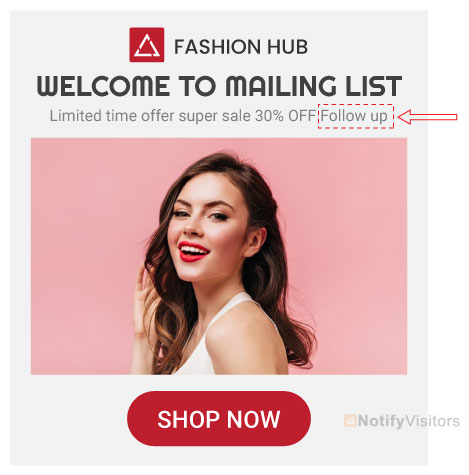
Most people instinctively use the word “Follow-up” in the subject line when writing a polite reminder. It feels honest and clear, but the data tells a different story.
There are two reasons this hurts your open rate. First, it provides zero value. The recipient already knows it’s a follow-up from context, so the word itself does no work. Second, it subtly makes the reader feel blamed for not answering, which is rarely a motivator and often pushes the message further down the queue rather than to the top.
Instead, write a subject line that references the actual purpose of your message or the previous conversation. Something like “Quick question on the Q3 proposal” or “Two thoughts after our Tuesday call” works far better than “Follow-up on my last email.” Specificity earns opens, and that’s what matters at this stage.
3. Show the Value
Use the reminder message to demonstrate fresh value, not just to repeat the original ask. This shifts the recipient’s perception from someone chasing them to someone who can actually help. If you’ve thought about their situation, share a new resource, mention a case study, or offer a small insight that wasn’t in the original message. Usually, that small additional value is what makes the recipient feel it’s worth opening and replying.
4. Include a Strong CTA
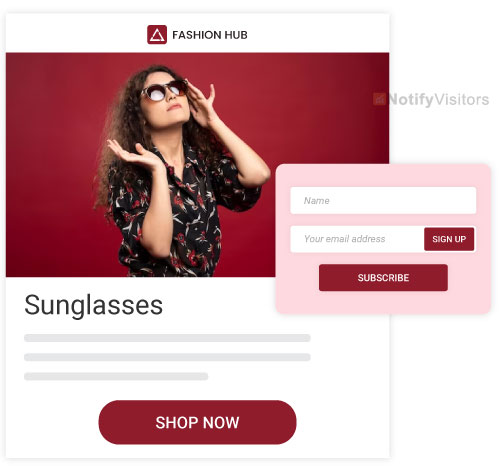
How often have you received a message you weren’t sure how to respond to, so you just didn’t reply at all? Email works the same way. A weak or ambiguous CTA is one of the most common reasons reminder messages get ignored.
To earn a response, structure your reminder so it’s easy for the recipient to act. Start with a short, direct explanation of why you’re writing, followed by one specific call to action. Be precise about what you want: a callback, a form fill, or a confirmed time to schedule a meeting. Vague asks earn vague responses.
It also helps when you make the response itself easy. If you’re asking for confirmation, frame the question so a one-word reply works. If you’re proposing a meeting, suggest two specific time slots so the recipient just picks one rather than checking their calendar from scratch. Reducing friction at the response step is one of the highest-leverage moves in email writing.
5. Send Quickly Enough to Stay Fresh
It doesn’t matter how good your message is if it lands when the recipient has already moved on. The general rule is to send the first reminder 2 to 3 days after the initial email or contact, while the topic is still fresh in everyone’s mind. Waiting two weeks usually means the original context has decayed, and your reminder has to do twice as much work to re-establish what the conversation was about.
You may also need more than one follow-up email. The Brevet data showing that 80% of sales require 5 messages tells the real story: most professionals stop too early. Three to five reminders, spaced appropriately, will usually outperform a single perfectly written attempt because persistence beats polish when the recipient genuinely just hasn’t gotten to your message yet.
Examples & Templates of Email Follow-ups
The templates below cover the most common scenarios. Each one is meant as a starting point rather than a copy-paste shortcut. Customize the specifics, swap in real context, and the response rates will lift noticeably.
Template 1: Inquiry Follow-up Template
This is a type of email you send to someone who submitted an inquiry form on your website. If they left a phone number, call first and leave a voicemail, then send the email so both channels are covered.
Subject line: In response to your inquiry
Hey XYZ,
Thanks for reaching out. I just left you a voicemail as well. [Answer their question briefly.]
Happy to share additional details and answer any specific questions you have on your end.
Looking forward to connecting,
(Name)
Contact information
Template 2: Quote or Proposal Follow-up
Send this message if a recipient hasn’t responded to your quote or business proposal. Depending on the business model, you might also offer a demo or share a relevant resource as an added value step.
Subject line: (Your Company) x (Client) next step
Hey ABC,
I haven’t heard back since sending the quote, so I figured I’d check in.
I’ve attached it again in case the original got lost. Happy to discuss any questions on a quick call or over email, whichever works better for you.
Looking forward to your thoughts,
(Name)
Template 3: Interview Follow-up Template
This is one of the most important reminder messages you’ll ever write. The tone here should stay genuinely formal and specific.
Subject line: Thank you for your time today
Hey ABC,
Thank you for meeting with me today to learn about my background and tell me more about (Company) and the (role and responsibilities).
I particularly enjoyed hearing about (mention something specific from the conversation).
Using my (experience) to (mention what you’d contribute) is genuinely compelling, and I’m looking forward to the next conversation.
Let me know if any questions come up on your end in the meantime.
Regards,
(Name)
Template 4: After No Response
This template acknowledges that you reached out earlier and re-frames the value proposition. The recipient might have read your original email but never replied for any number of reasons. Reframing the offer often unlocks a response that the first attempt didn’t get.
Hi John,
I sent you a note earlier about (product or service) and why I thought it might be a fit for (Company).
A few of our clients have seen a 15% lift in sales after rolling this out. We’re also running a 10% launch discount and including onboarding at no extra cost for new accounts this quarter.
Happy to share more details whenever works. Looking forward to your thoughts,
(Email Signature)
Template 5: Networking Reminder
Relationships in your industry compound over time, which means a good networking reminder is worth writing well. Use this template when you want to deepen a connection after meeting someone in person or at an event.
Subject line: It was great meeting you, (Name)!
Hi XYZ,
It was a pleasure connecting last night at (Event). I really enjoyed our conversation on (specific topic).
Sharing this (resource) in case it’s useful as you think about that next move.
Looking forward to keeping in touch,
(Name)
Template 6: Meeting Recap
Send this within 24 hours of a meeting to confirm key points discussed, action items, and next steps. A solid recap turns a casual conversation into a documented agreement.
Subject line: Quick recap from our (Tuesday) call
Hi (Name),
Thanks for taking the time today. Wanted to recap the main points and next steps so we’re aligned heading into next week:
• Key discussion: (one-line summary of the conversation)
• Your action items: (specific items the recipient agreed to)
• My action items: (specific items you committed to)
• Proposed timeline: (when each thing happens)
Let me know if any of this looks off. Otherwise, I’ll plan to circle back by (date).
Best,
(Name)
Template 7: Polite Second Attempt
The second message in a sequence works best when it acknowledges the inbox reality and offers a soft re-entry point rather than restating the original ask verbatim.
Subject line: Bumping this back up
Hi (Name),
I know how busy things get, so I figured I’d float this back to the top of your inbox in case it slipped through.
(Original ask, restated in one sentence)
Would (specific day or time) work for a quick 15 minutes? Happy to keep it short.
Thanks,
(Name)
Template 8: The Break-up Message
When you’ve sent 4 or 5 messages with no response, the break-up message can sometimes shake loose a reply because it removes pressure entirely. It works precisely because it expects nothing.
Subject line: Closing the loop on this one
Hi (Name),
I’ve reached out a few times about (topic) without hearing back. Totally understand if the timing isn’t right or this just isn’t a priority right now.
I’ll go ahead and close out this thread on my end. If anything changes down the road, please don’t hesitate to reach out directly.
Wishing you the best,
(Name)
Template 9: Customer Re-engagement
This template borrows from win-back email patterns. For a deeper dive on customer re-engagement messaging that drives reply rates, see our guide on we miss you emails, which covers the timing, subject lines, and psychological triggers that work best.
Subject line: It’s been a while, (Name)
Hi (Name),
We haven’t connected in a while and I wanted to check in. We’ve added a few things since we last spoke that I think would be relevant for (their specific situation).
Open to a quick chat to walk through what’s changed? Happy to keep it brief.
Best,
(Name)
Template 10: Post-purchase Check-in
For customer success and retention, a post-purchase check-in pairs nicely with strong confirmation email templates sent right after the order. The check-in itself adds an extra layer of relationship-building that most brands skip entirely.
Subject line: How’s everything going so far?
Hi (Name),
It’s been a couple of weeks since you started using (product/service). Wanted to check in and see how things are going on your end.
If you have any questions or want to walk through best practices, I’m always happy to jump on a quick call.
Best,
(Name)
How Often Should You Send These Reminders?
The cadence question is where most senders go wrong. They either stop after one attempt and miss the response that would have come on attempt three, or they send four messages in a single week and burn the relationship entirely. The right rhythm sits somewhere in the middle and depends on the type of conversation.
For cold email outreach sequences, a 5 to 7 step sequence spread across 3 to 4 weeks tends to deliver the best results. Day 1 is the initial message. Day 3 is the first reminder. Day 7 is the second. Day 14 is the third with new value or angle. Day 21 is the fourth, often with a soft break-up note. Day 28 is the final break-up message that signals you’re closing the thread.
For warm conversations where you already have a relationship, the cadence compresses. Send the recap within 24 hours of a meeting, the next-step reminder within 3 to 5 days, and a status check 7 to 10 days later if you still haven’t heard anything. Anything more aggressive than that usually feels pushy in a warm context.
For inbound leads who initiated contact, the rules flip entirely. Speed matters more than spacing. The first response should ideally land within minutes, the second within hours, and the third within a day. Slow inbound response is one of the biggest reasons high-quality leads convert to competitors instead.
AI-Powered Follow-ups in 2026
The most significant shift in reminder messaging heading into 2026 is the move from rigid rule-based sequences to AI-driven decisioning. The old approach scheduled messages on fixed days regardless of how the recipient was actually behaving. The new approach watches recipient behavior continuously and adjusts timing, content, and even channel based on what each individual seems to respond to.
Modern marketing automation platforms now include AI-powered scoring that predicts which recipients are most likely to respond to a reminder versus those who’ve gone quiet for structural reasons. The platforms can then prioritize where senders spend time, suppress recipients who shouldn’t be contacted again for a while, and trigger different message variants based on engagement signals like email opens, link clicks, and page visits.
For longer sequences across multiple channels, customer journey orchestration tools coordinate email, SMS, LinkedIn, and phone touches in the right order based on what each recipient has already done. A recipient who opened email twice but didn’t reply might get a LinkedIn message next. Another who never opens email might shift to SMS or skip directly to a phone outreach. The system decides the channel, the marketer decides the strategy.
Beyond AI-driven decisioning, basic email automation at scale still matters because it handles the rule-based parts (drip timing, sequence steps, unsubscribe handling) that don’t need AI intervention. Pairing solid automation with AI optimization usually delivers more lift than either approach alone.
The catch worth stating clearly: AI optimization only works on reasonably clean recipient data and well-structured sequences. Adding AI to a fragmented setup just generates bad decisions faster. The foundation has to come first.
Common Follow-up Email Mistakes
Six failure modes show up over and over in reminder messages that underperform. Spotting them in your own drafts is usually the fastest way to lift reply rates without rewriting from scratch.
The first mistake is being too generic. Messages that could have been sent to anyone get treated like spam by recipients and ignored. Specific references to the previous conversation, the recipient’s company, or the topic at hand are what earn the second open.
The second mistake is sending too soon. A reminder sent 24 hours after the original message reads as anxious rather than diligent. Wait at least 2 to 3 days for cold contexts and 24 hours minimum for warm ones.
The third mistake is sending too many messages in a row without spacing. Three messages in 4 days will get you marked as spam by sophisticated recipients and ignored by everyone else. Spread the cadence out and let each message stand on its own.
The fourth mistake is having no clear ask. A reminder without a specific request becomes a “checking in” message that the recipient doesn’t know how to act on. Always end with one concrete next step phrased as a question or specific request.
The fifth mistake is a weak or generic subject line. “Following up” tells the recipient nothing and makes the message easy to skip. A specific subject line referencing the previous conversation or new value earns more opens.
The sixth mistake is giving up too early. The Brevet research is clear here: most sales require 5 attempts, and most senders stop after 1 or 2. Persistence with the right cadence is one of the highest-leverage habits in professional communication.
One mistake that sits outside this list but quietly kills response rates is poor email deliverability. Sometimes your message isn’t being ignored at all. It’s landing in the spam folder before the recipient ever sees it. If your reply rates have suddenly dropped without any change to your messaging, deliverability is usually the first thing worth checking.
How to Measure Follow-up Email Performance
Reply rate is the single most important metric to track. Everything else flows from it. Open rates and click rates matter as leading indicators, but the only number that determines whether your reminder sequences are working is what percentage of recipients actually respond.
For warm follow-ups, a healthy reply rate sits between 20% and 30%. Anything below 15% usually signals weak messaging, bad targeting, or both. For cold outreach sequences, a 10% to 15% reply rate across the full sequence is strong, and anything below 5% suggests the list or the messaging needs serious work.
Track reply rate by sequence step (does message 2 outperform message 1, as the Yesware data suggests it should?), by subject line variant (which subject lines earn the most opens?), and by recipient segment (do certain industries or roles respond more than others?). Most senders pick a sequence and run it forever without ever measuring which step is actually doing the work. Three months of disciplined tracking usually surfaces a clear winner that 10x improves overall performance.
For larger-scale outreach programs, use email marketing infrastructure to centralize tracking across sequences, segment performance by recipient cohort, and connect reply rates to downstream conversion metrics like meetings booked and revenue closed. Without that connection, it’s easy to optimize for vanity metrics that don’t translate into business outcomes.
Frequently Asked Questions
How long should I wait before sending a reminder message?
For cold outreach, wait 2 to 3 days after the initial email before sending the first reminder. For warm conversations, 24 hours after a meeting is appropriate for a recap and thank-you. For inbound leads, respond within minutes or hours rather than days. The exact timing depends on the relationship, but the general principle holds: don’t wait so long that the context goes stale, and don’t send so soon that you look impatient.
How many reminder messages should I send before giving up?
Most sales research suggests 5 to 7 messages across a 3 to 4 week sequence delivers the best results. Brevet research shows 80% of successful sales require 5 attempts after the initial outreach, while 44% of sales reps give up after just one. Anywhere between 3 and 7 is reasonable depending on the context. After 5 to 7 attempts with no response, send a polite break-up message and move on.
What is the best subject line for a reminder email?
The best subject lines reference the specific purpose of the message rather than the act of following up. Examples include “Quick question on (specific topic),” “(Company) x (Client) next step,” and “Thoughts on the proposal?” Avoid generic phrases like “Following up” or “Touching base” because they signal nothing about value and make the message easy to skip. Specificity earns opens.
How do you politely follow up on an email?
Acknowledge that the recipient is busy, reference the original message briefly, add new value if you can, and end with one specific ask phrased as a question. Keep the tone respectful and avoid language that implies blame. “I know how busy things get, so I figured I’d float this back up in case it slipped through” works much better than “I haven’t heard back from you yet.”
What is a good example of a reminder message after no response?
A strong “no response” reminder reframes the value rather than just repeating the original ask. Reference the earlier message briefly, then introduce something new: a relevant case study, a new offer, a fresh angle on why this matters for the recipient. Template 4 in this guide gives a concrete pattern: brief reference to the earlier note, a specific value claim (15% sales lift in this case), an added incentive (10% discount with onboarding included), and a low-friction CTA.
How do I start a reminder message?
Start with the recipient’s name and a sentence that references the previous touchpoint. Something like “Hi (Name), just bumping this back up in case it slipped through” works because it acknowledges inbox reality without sounding accusatory. Avoid starting with “I’m just following up” because that opener provides zero value and primes the reader to skim past.
Is it okay to send a reminder after no response?
Yes, and most professionals don’t send enough of them. The vast majority of replies come from messages two through five in a sequence rather than from the initial outreach. As long as the cadence is respectful (2 to 3 days minimum between messages for cold outreach, 5 to 7 days for slower-moving conversations) and the content adds value rather than just repeating the original ask, reminder messages are not just acceptable, they’re expected in professional communication.
What’s the best time of day to send a reminder email?
Research consistently points to Tuesday or Wednesday between 9 and 11 AM in the recipient’s timezone as the highest-response window. Monday mornings get buried under weekend overflow, and Friday afternoons drift into weekend mode for most professionals. Outside that 9 to 11 AM window, late afternoon (3 to 4 PM) often works as a second-best option for catching people during their email triage moment.
Wrapping Up
Whether you’re in sales, recruiting, freelancing, or any other field where customer acquisition matters, persistence backed by good messaging is one of the highest-leverage habits you can build. Reminder messages are how that persistence shows up in practice.
A carefully planned follow-up email dispels doubts, refreshes context, and gives recipients a clear reason to respond. The templates above are starting points, the timing benchmarks help you avoid the most common pacing mistakes, and the FAQ section answers the questions most senders never bother to ask. The combination of all three is what separates senders who get replies from senders who quietly disappear after one attempt.
Start by picking one template that matches your most common scenario, customize it for your audience, and run it for two weeks. Track reply rates honestly. Adjust based on what the data shows. The patterns are simple. The discipline of actually applying them is what makes the difference.
For more help building reminder sequences at scale, schedule a demo with Nvecta.
Also Read:
