

Customer Data Platform (CDP) for Gaming & Esports across the full player lifecycle
A Customer Data Platform (CDP) for Gaming & Esports unifies all of it into a single profile per player and account, so live ops, marketing, monetisation, and community teams act on what each player is actually doing.
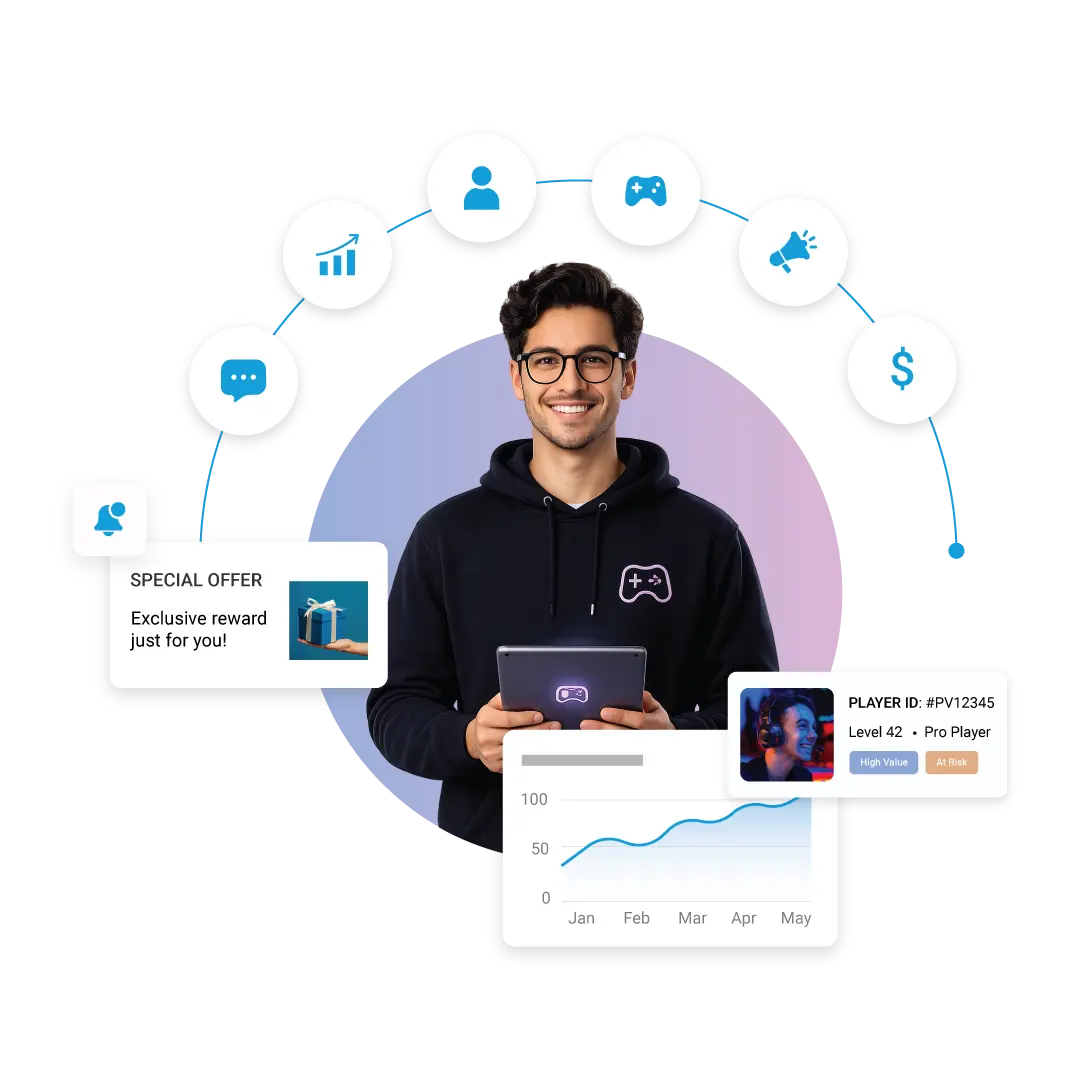
Unified player and account profiles
Bring install data, gameplay sessions, in-game economy actions, IAP history, support interactions, social activity, and esports participation into one connected view per player.
Real-time gameplay signals
Capture session starts, level completions, deaths, currency spends, IAP attempts, and rage-quits as they happen, so live ops triggers fire on the moment they matter and not after the player has already uninstalled.
Cross-platform data unification
Connect game clients across iOS, Android, PC, and console, plus analytics SDKs, payment processors, support systems, Discord, and creator platforms, into one resolved record per player
Player intelligence in context
Turn raw gameplay event streams into clear signals about engagement state, monetisation potential, churn risk, and social influence that live ops and marketing teams can act on.
Trusted by thousands
Success Quantified
Real results from real customers—measured across ROI, growth and retention
500+
satisfied clients globally
98%
clients satisfaction
5x
ROI for clients
2x
more conversion
Core technology built for gaming-scale data
The infrastructure is shaped around how gaming data actually moves: extreme event volume during peak hours, multi-device sessions across mobile and desktop, identity fragmentation through guest accounts and platform IDs, and sub-second latency requirements for live ops triggers.
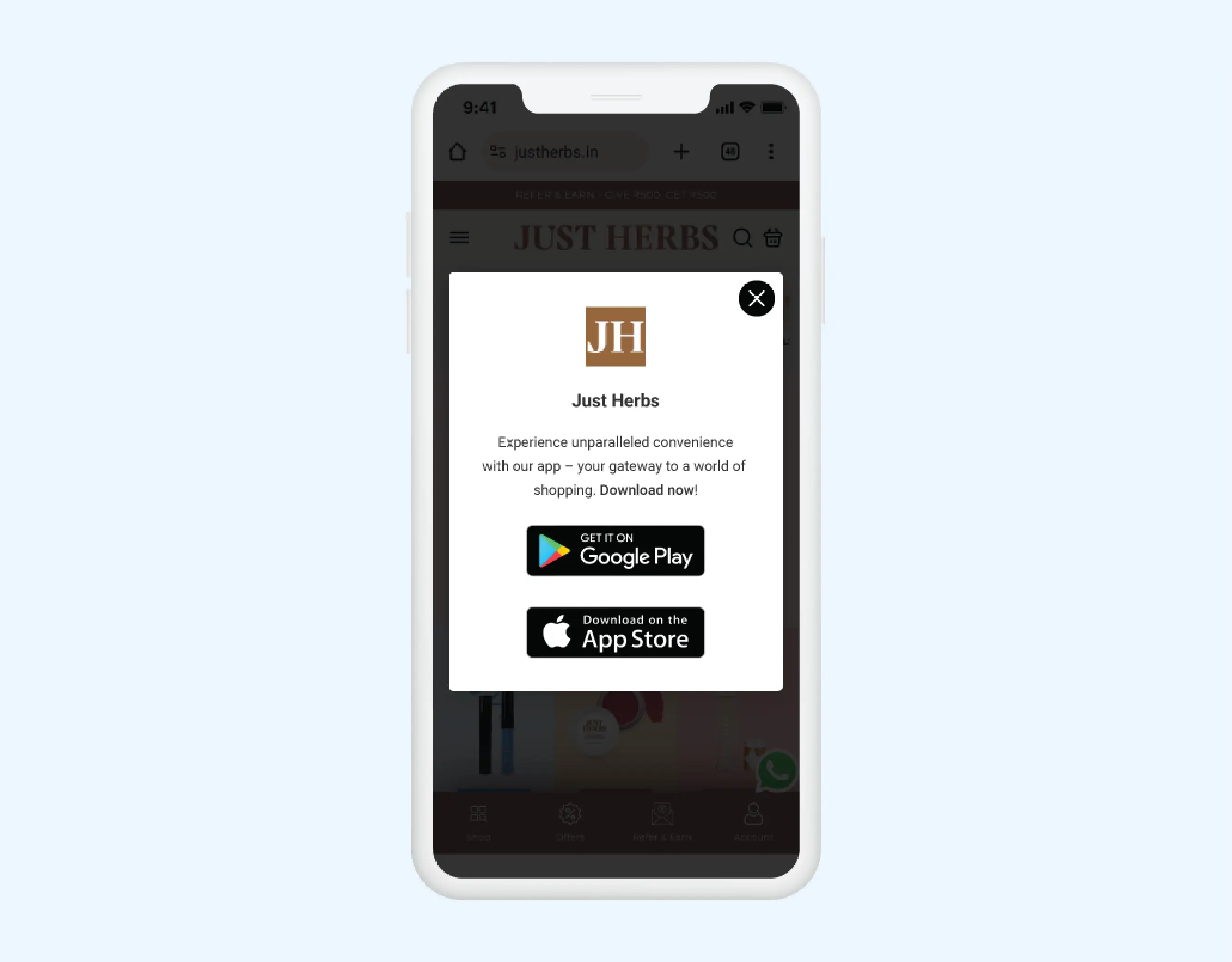
Multi-identifier resolution across player and platform
Resolve identities across player ID, device ID, platform account (Apple, Google, Steam, PlayStation, Xbox), social login, payment account, and Discord ID, so the profile holds together when a player switches devices, links a social account, or upgrades from guest to registered.
Gaming-native data model
Pre-built schemas for sessions, levels, missions, currencies, items, transactions, social actions, and esports participation mean teams skip months of modelling and start activating data quickly.
Streaming profile updates
A boss defeated, a soft-currency purchase completed, a guild joined, a clip shared on Discord, an IAP abandoned at the payment screen — every event flows into the profile within seconds and is available for live ops triggers, segmentation, or support lookups.
How AI sharpens player engagement
Gaming runs on dense behavioural signals that no rule-based system can keep up with. Session patterns, economy actions, social engagement, and monetisation behaviour produce too much data and change too fast for static segments to stay useful. This is where models inside a Customer Data Platform (CDP) for Gaming & Esports earn their place.
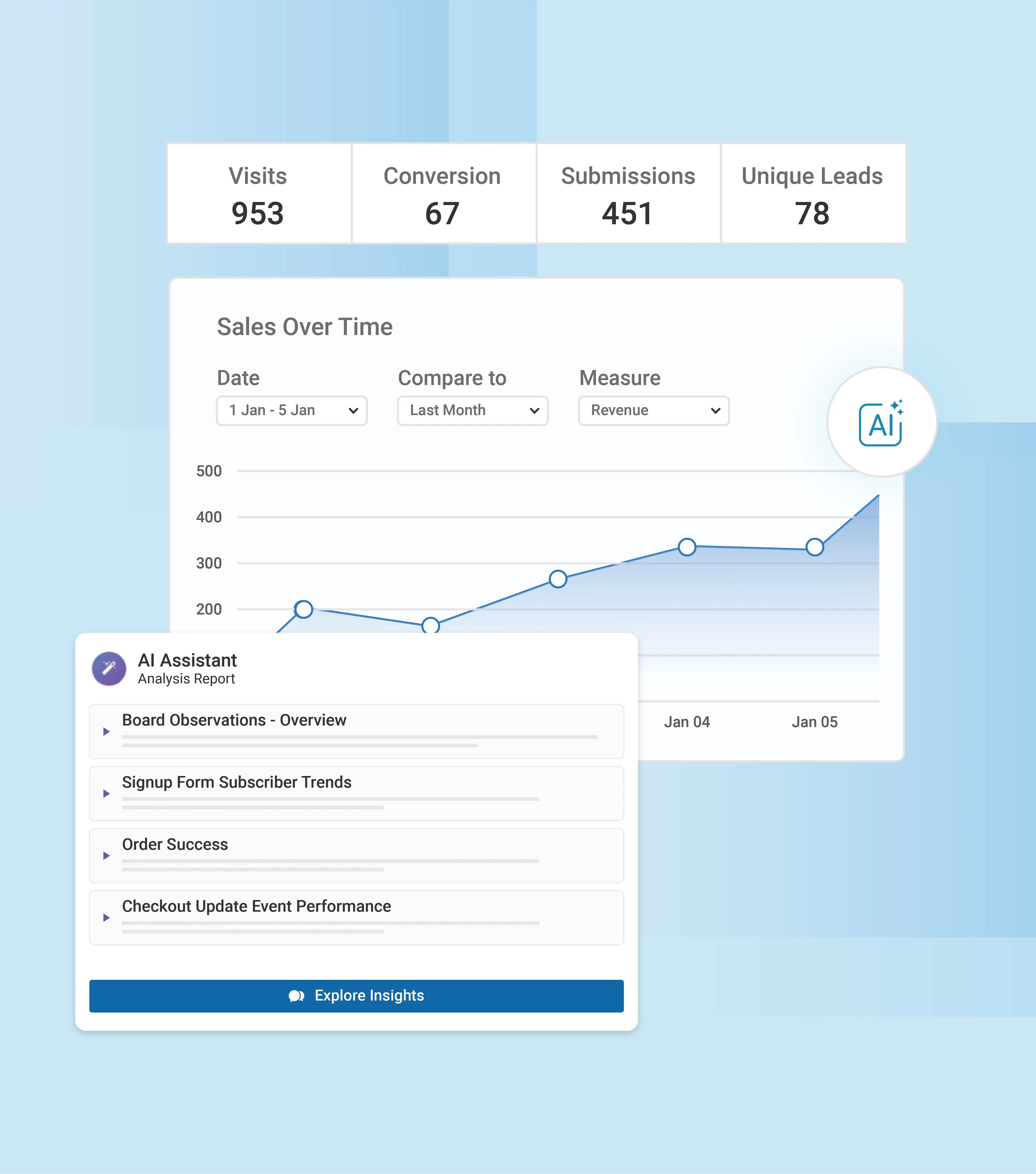
Models score each player's likelihood to churn based on session frequency decay, level completion slowdown, currency hoarding without spending, and reduced social activity. Live ops teams trigger personalised offers, content drops, or push notifications before the player drops off rather than after.
Models score each player's likelihood to churn based on session frequency decay, level completion slowdown, currency hoarding without spending, and reduced social activity. Live ops teams trigger personalised offers, content drops, or push notifications before the player drops off rather than after.
For each player, AI picks the offer most likely to convert — a starter pack, a battle pass upgrade, a cosmetic bundle, a currency top-up — based on past spending, in-game progress, content affinity, and price sensitivity. Store fronts adapt to the player rather than serving the same promotion to everyone.
Models flag suspicious patterns like impossible session timings, repeat refund chargebacks, currency duplication exploits, and bot-like progression rates, so trust and safety teams act on real signal instead of manual review queues.
Use NVECTA Co-Pilot to ask things like "which players in Brazil completed the tutorial in the last 14 days, made one IAP, and have not logged in for three days" without writing SQL or waiting on the analytics team.
From unified profiles to gaming business impact
A live player view changes what live ops, monetisation, and community teams can do day to day. The gains show up in retention curves, ARPDAU, LTV, and the speed of live ops iteration.
Reach new players with the right onboarding nudge, the right content unlock, and the right early offer based on their actual first-session behaviour, so the players about to bounce get a reason to stay.
Replace blanket store promotions with player-specific offers timed to in-game moments, so each player sees value at the price point and progress stage where they are most likely to spend.
Build, target, and measure live ops cohorts in hours instead of weeks. Test new content, offer mechanics, and event timing on precise player segments, and roll back fast if metrics move the wrong way.
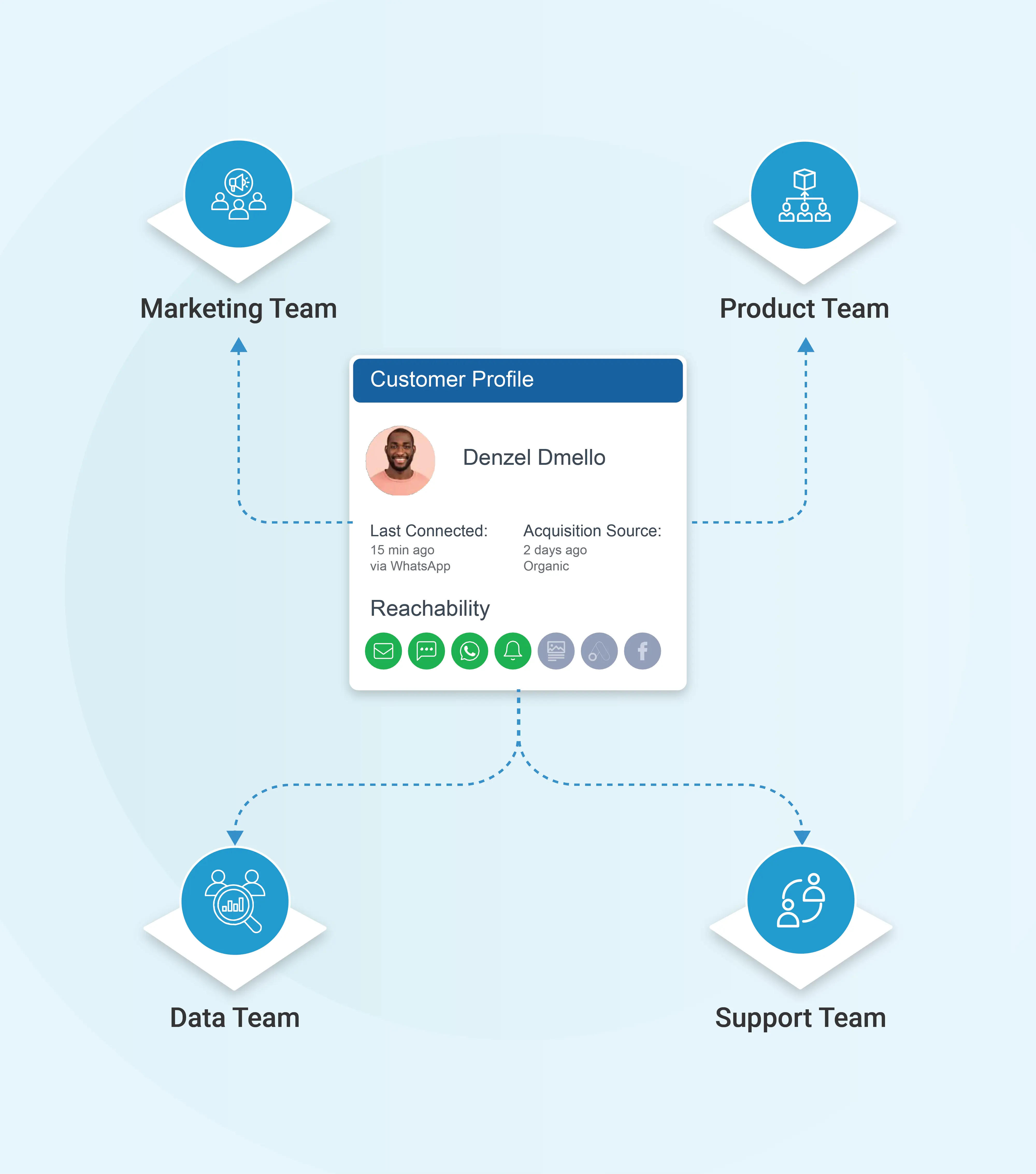
Give live ops designers, UA marketers, support agents, community managers, and esports teams access to the same player view, so a player getting a refund does not also get an aggressive win-back ad the next day.
From unified profiles to gaming business impact
A live player view changes what live ops, monetisation, and community teams can do day to day. The gains show up in retention curves, ARPDAU, LTV, and the speed of live ops iteration.
Reach new players with the right onboarding nudge, the right content unlock, and the right early offer based on their actual first-session behaviour, so the players about to bounce get a reason to stay.
Replace blanket store promotions with player-specific offers timed to in-game moments, so each player sees value at the price point and progress stage where they are most likely to spend.
Build, target, and measure live ops cohorts in hours instead of weeks. Test new content, offer mechanics, and event timing on precise player segments, and roll back fast if metrics move the wrong way.
Give live ops designers, UA marketers, support agents, community managers, and esports teams access to the same player view, so a player getting a refund does not also get an aggressive win-back ad the next day.
In-game event and live ops streaming
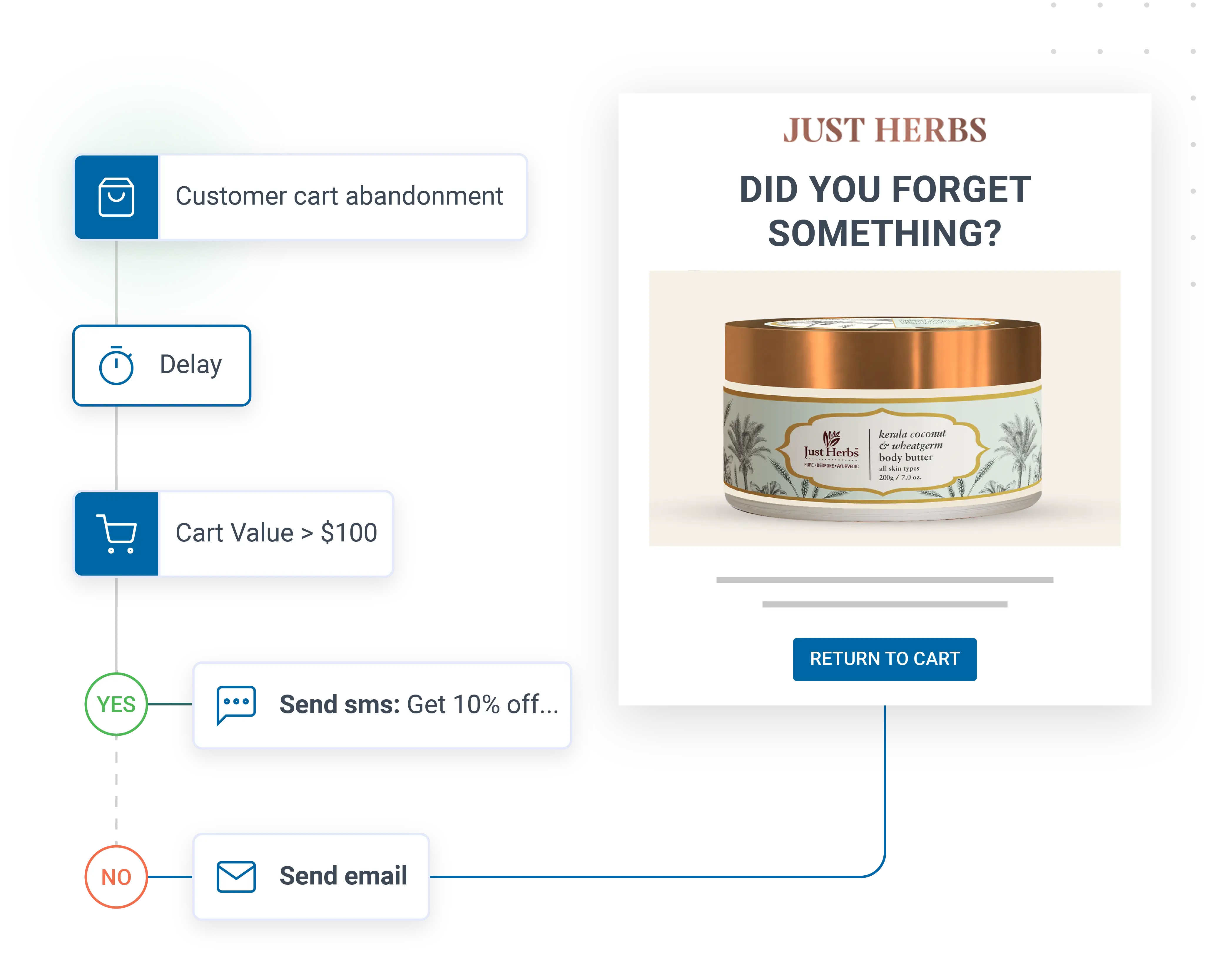
Gaming generates event volume that breaks most data infrastructure. A single match can produce hundreds of events per player, peak hours pile millions of concurrent sessions on top of that, and live ops triggers need to fire within the same session to actually matter. The platform ingests SDK events, server-side telemetry, payment confirmations, and social signals at line rate, normalises them against the player profile, and makes them available for triggers, segmentation, and live ops decisions in seconds. A player who rage-quits after losing three ranked matches in a row should not have to wait until tomorrow's batch job for the live ops team to know.
In-game event and live ops streaming
Gaming generates event volume that breaks most data infrastructure. A single match can produce hundreds of events per player, peak hours pile millions of concurrent sessions on top of that, and live ops triggers need to fire within the same session to actually matter. The platform ingests SDK events, server-side telemetry, payment confirmations, and social signals at line rate, normalises them against the player profile, and makes them available for triggers, segmentation, and live ops decisions in seconds. A player who rage-quits after losing three ranked matches in a row should not have to wait until tomorrow's batch job for the live ops team to know.
Player, guild, and creator ecosystem views
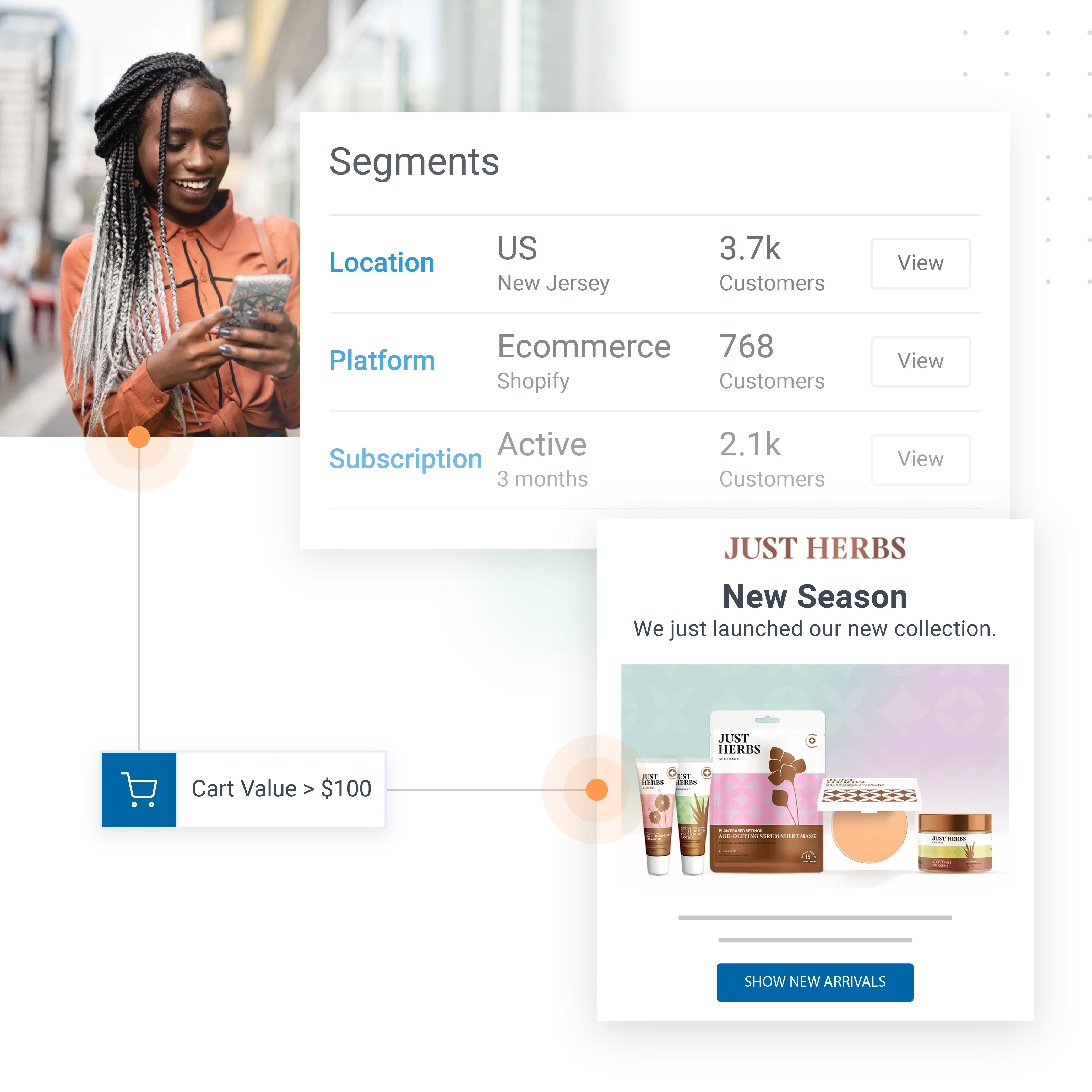
Gaming is unusual because the unit of engagement is rarely just the individual player. Guilds, clans, parties, and friend groups drive retention. Streamers and creators drive acquisition. Esports teams and tournament organisers drive competitive engagement. A Customer Data Platform (CDP) for Gaming & Esports represents these relationships explicitly. A player profile holds gameplay and monetisation history. Guild and clan profiles aggregate member activity and surface group-level signals. Creator profiles track audience overlap with the active player base. Esports profiles connect tournament participation, viewership, and sponsorship engagement. Each role-based view respects what teams need to see, with consent and data sharing rules applied across the social graph.
Player, guild, and creator ecosystem views
Gaming is unusual because the unit of engagement is rarely just the individual player. Guilds, clans, parties, and friend groups drive retention. Streamers and creators drive acquisition. Esports teams and tournament organisers drive competitive engagement. A Customer Data Platform (CDP) for Gaming & Esports represents these relationships explicitly. A player profile holds gameplay and monetisation history. Guild and clan profiles aggregate member activity and surface group-level signals. Creator profiles track audience overlap with the active player base. Esports profiles connect tournament participation, viewership, and sponsorship engagement. Each role-based view respects what teams need to see, with consent and data sharing rules applied across the social graph.
Your data remains in your control
Trusted by teams worldwide
NVECTA operates without duplicating or storing your data. Instead, we securely read directly from your existing data warehouse—so your data stays safe and untouched.



Seamless Integrations. Enterprise Ready
Connect your data, systems, and tools through 100+ reliable integrations, built to unify your stack and scale with your business.
FAQ section
It is a platform that unifies players, guilds, creators, and esports participants with their gameplay, economy, social, and support data into a single live profile per player. It connects game clients, analytics SDKs, payment systems, community platforms, and creator tools so live ops, marketing, and community teams work from the same view.
Analytics platforms tell you what happened across cohorts. BI tools let you query historical data. Neither resolves identity across devices and platforms in real time, nor pushes player-level signals into live ops triggers, push notifications, or in-game messaging within the same session. The CDP sits across analytics, game servers, and engagement tools to make the data actionable, not just reportable
Yes. The platform is built for gaming-scale streaming and supports millions of concurrent sessions with profile updates available in seconds rather than minutes or hours.
We resolve across player ID, device ID, social logins, platform accounts (Apple, Google, Steam, PlayStation, Xbox), payment accounts, and Discord ID. Guest-to-registered transitions, cross-device play, and account merges keep the historical profile intact.
Yes. The data model handles mobile free-to-play, premium PC games, console releases, live service titles, and hybrid casual and core games within the same profile structure.
Esports participation, tournament results, viewership data, and creator audience signals are part of the standard data model. Sponsorship teams can target based on competitive engagement, and partner managers can identify creators whose audiences overlap with active player segments.
Yes. Wallet addresses, on-chain transactions, NFT ownership, and off-chain gameplay events can be unified in the same profile, so engagement teams see the full player picture across web2 and web3 layers.
Consent capture per channel and per category, age-appropriate consent flows for younger players, regional data residency, and audit logs are built into the platform. It aligns with GDPR, COPPA, the Indian DPDP Act, China's PIPL, and regional gaming-specific regulations.
Ready to transform your workflow?
Ready to unify your customer data and deliver personalized experiences?